Stoneridge Vineyard is a sultry patch of Washington’s Royal Slope AVA, which is itself a 30-mile long east-west ridge totaling over 56,000 acres nestled inside the much larger Columbia Valley AVA. With a unique soil comprised of chunky, gravelly, and sandy loam, Stoneridge holds the distinction of being the source of Washington State’s first ever 100-point wine from The Wine Enthusiast – our very own 2006 Royal City Syrah.
“I was turned on to this extremely isolated vineyard back in 2005,” our founder Charles Smith said. “It’s an anomaly, sitting out there on its own. Crazy hot in the summer, cold in the off season, with a distinctive soil as if you took eight different terroirs, stirred ‘em in a bucket, and poured ‘em all right there.”
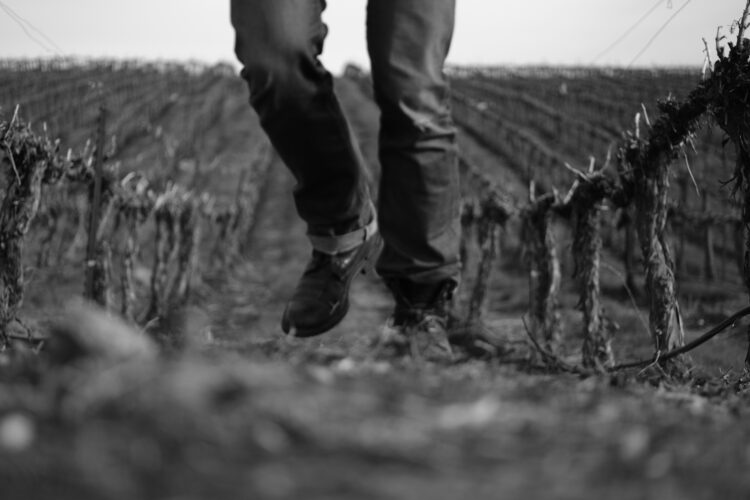
First planted back in 2000 by long-time Royal Slope farming family the Davis’, Stoneridge sits at an elevation of between 760 and 814 feet where it receives an abundance of hot sun during the growing season. Initially, farming this area was incredibly challenging due to the abundance of rocks scattered throughout the soil – many of them glacial erratics left behind by floods over 10 thousand years ago – but ultimately their efforts prevailed.
Constant searing sun makes for intense, ripe fruit. As for that soil… “Alluvial fan gravel bed, the site rests above the flood plain of the Columbia River. Under the topsoil is a layer of caliche – a layer of soil particles cemented together by calcium carbonate – and basalt 6-12” deep, creating calcium and iron-rich media that forces roots to struggle.”
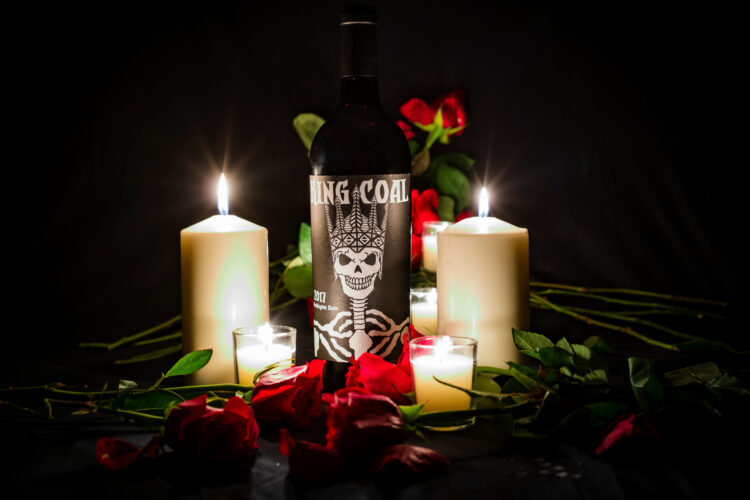
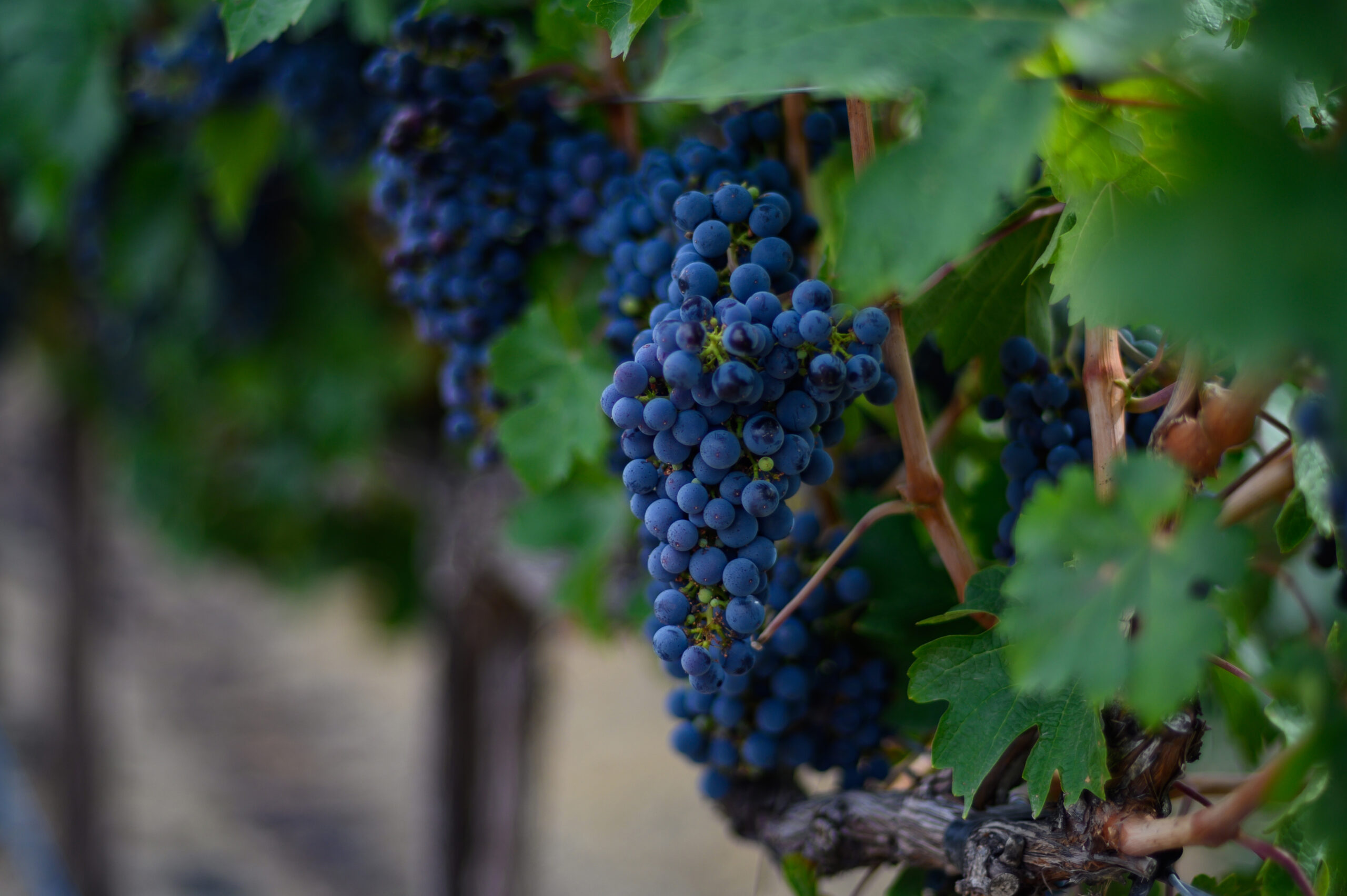
Picture dusty chunks of cobblestone and gravel in powder soft sand, wiry vines wrenching upwards toward a beating sun while their roots stretch below seeking water. From this struggle comes reward… Besides our legendary Royal City Syrah, many other House of Smith flagship wines begin their stories in Stoneridge: Old Bones, Skull, King Coal, Broncho, El Jefe, plus Stoneridge Cabernet and Merlot. It’s a stacked deck of high-scoring intensity and brooding character forged in a place that, technically, shouldn’t exist. Lucky for us the Davis family is as tough as the land they work and they never backed down when the going, and the ground, got hard. All their blood and sweat breaking ground led to nothing less than groundbreaking wines.